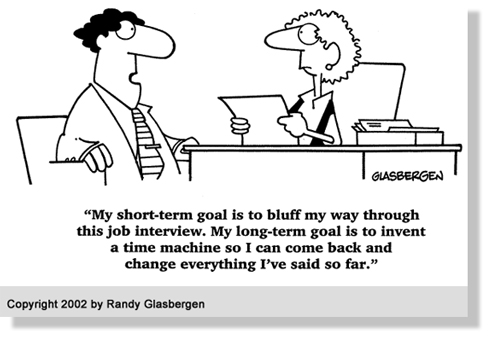
 My wife has been on the hunt for a new house maid to watch the kids and do a few chores around the home – NOT an easy task. It’s got me thinking about the whole job interview process again and why so many entrepreneurs find it difficult and get it COMPLETELY wrong.
If you’re looking to hire someone for a job position in your company, then this could be the most important thing you’ll’ read all week…here’s why
Firstly, there are two things that almost every untrained interviewer gets wrong
- 1) They talk too much
- 2) They ask all the wrong questions
Talking too much
When you’re interviewing someone you’re on a fact-finding mission. You’re investigating how well they’ll fit into your corporate culture and the specific job opening that you’ve got available. This means that you should be doing less talking and more listening.
So maybe your wife doesn’t listen to you at home, but this isn’t the place to go off on a mini presentation on how wonderful your vision is, what you’re looking for and how great your company will be one day. No, all that will come later.
For now you’re seeking answers, not giving them. You’re evaluating their mindset, not showing them yours.
A bad hire can cost you more than you can imagine, so get it right and focus on learning as much relevant information about the job applicant as you can. The way to do this of course is by asking the right questions.
Assuming that they’ve already submitted a CV which you’ve gone through, the focus of your questions is not what’s already on the CV, that’s obvious. Besides a candidate’s qualifications will only tell you so much about what sort of thinker they are and how they perform. In fact in many interviews, qualifications may have been attained over a decade ago…which tells you even less about who they are today.
Here are some good questions to dig a little deeper than the CV to find out who a candidate really is
Question 1: Sheesh, what did you think of the world cup?
The Point: Develop rapport. You want them feeling relaxed not rehearsed. Spend at least the first 3 – 5 minutes talking about nothing. It helps them feel they can trust you and open up – which is exactly what you want. The less relaxed someone is, the less likely they are to let you in behind the ‘professional facade’.
Question 2: Tell Me about the Biggest Obstacle You’ve Had To Overcome in Your Career.
The Point: Get a better understanding of their performance beyond what’s on paper.
Listen carefully and ask a few more variations of this question. The idea is to get them telling you about how they’ve performed in scenarios similar to those they’re likely to face on the job – without making it to obvious that this is what you’re doing.
Question 3: What is about this job you’re interested in?
The Point: Is this person a good fit for the realities of what the job can and will offer?
For example, if someone is looking for a challenging position, they probably won’t last licking stamps for you the whole day. If they’re looking for a new learning experience, are they likely to get that working for you? Finding out why someone is motivated to do something gives you insight into what kind of rewards they’re really after (it’s not always just money) and a chance to evaluate whether or not you can deliver. If you’re unable to offer those rewards, you can be sure you’ll soon have a de-motivated worker to deal with.
Question 4: If i hired you now, what would be at the top of your to do list?
The Point: What kind of decision-making skills have they got?
You want to evaluate how well they understand the priorities of the position they’re applying for. You want to see what they’re thought process looks like.
Question 5 “What’s the One Thing I Should Know About You, That I Didn’t Ask About?”
The Point: This gives them an opportunity to show case themselves as though they were making a presentation.
This question will usually surprise a candidate, but if you’ve done a good job of providing a none-intimidating atmosphere, then you should get an answer.
Whatever the answers, they’re unlikely to be perfect, but they will show you important things you could never get from a piece of paper. The best answers to this question will obviously vary depending on the job you’re offering.

Finally, it really helps to know exactly what you’re looking for so that you’re not misled.
In other words, don’t be overly impressed with strengths that are not relevant to the position. The same goes for evaluating the impact of weaknesses.


 Max Soutter
Say something!